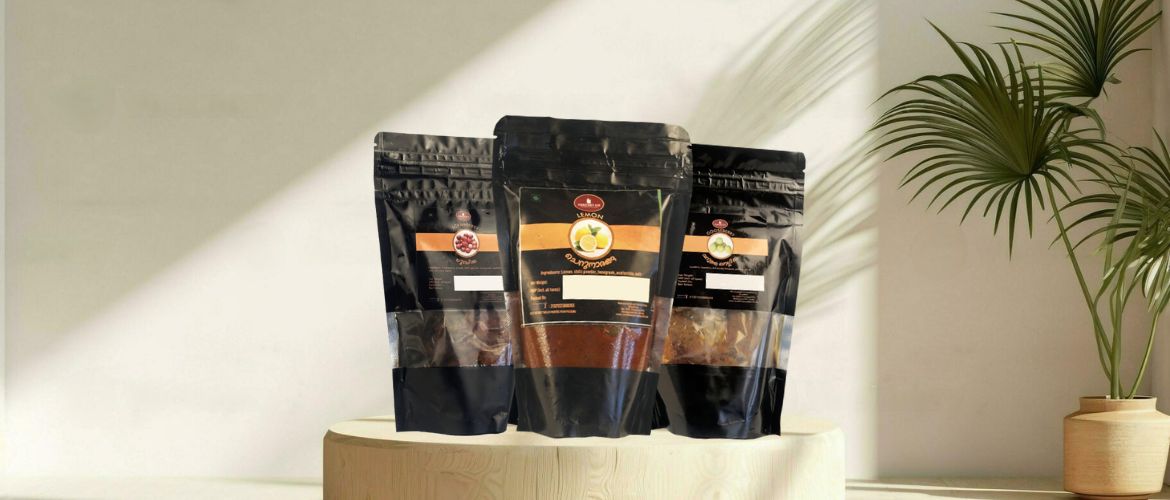
The Art of Pickling: A Time-Honored Tradition
The art of pickling is a time-honored tradition that dates back centuries. From ancient civilizations preserving their harvests to modern-day foodies experimenting with flavors, pickling has always been a beloved technique. At its core, pickling involves immersing fruits, vegetables, or even meats in a solution of vinegar or brine, often with a mix of spices, to develop unique and intense flavors. There are countless types of pickles to discover, each with its own distinct taste and cultural significance. The classic dill pickle, with its crisp texture and garlicky undertones, is a staple in many Western cuisines, often enjoyed as a snack or in sandwiches. Bread and butter pickles, with their sweet and tangy flavor, add a delightful contrast to savory dishes. In Korea, kimchi reigns supreme, a fermented vegetable pickle that is as pungent as it is addictive. Indian cuisine boasts an array of achars, or pickles, made from mango, lime, or a variety of other fruits and vegetables, all enhanced with a complex blend of spices.
Making your own pickles at home is both rewarding and straightforward. By following our step-by-step guides, you can create delicious pickles tailored to your taste.
Experiment with different ingredients, brines, and spices to craft your perfect pickle, and discover creative ways to incorporate them into your meals. Whether you enjoy them as a condiment, a side dish, or a snack, homemade pickles are sure to elevate your culinary creations.
While pickles provide a burst of tangy goodness, podis offer a different kind of flavor experience. Pickles, especially fermented ones like kimchi, are rich in probiotics, which promote gut health and aid digestion. They are also low in calories and high in vitamins and antioxidants, making them a nutritious addition to your diet.
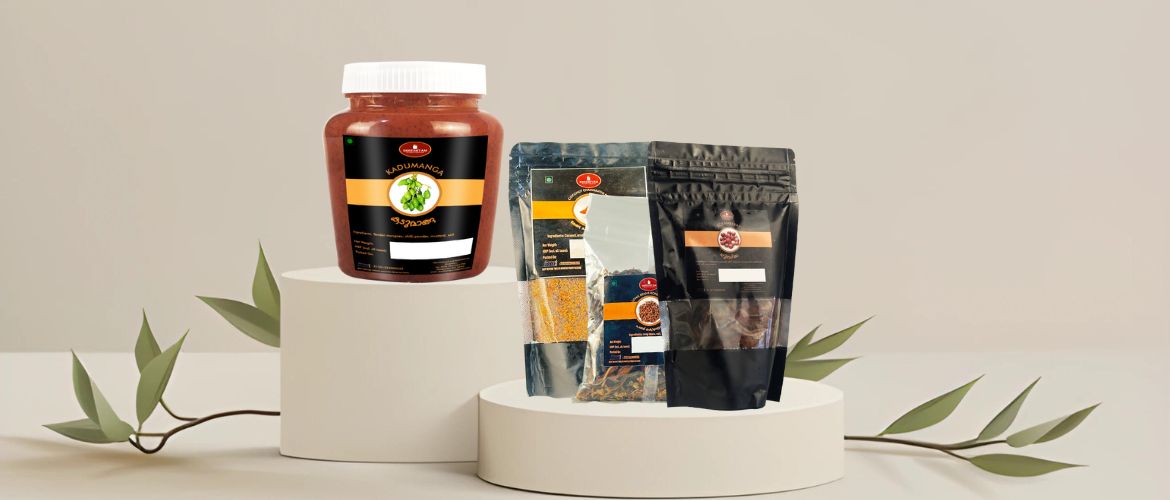
Podis: The Spice Mixes That Elevate Your Dishes
Podis, also known as spice powders, are a cornerstone of South Indian cuisine. These aromatic blends of roasted spices, lentils, and herbs can transform a simple dish into a flavorful masterpiece. Idli podi, for instance, often referred to as "gunpowder," is a spicy, nutty mixture made from urad dal, chana dal, dried red chilies, and sesame seeds. Typically enjoyed with idlis or dosas, it’s mixed with sesame oil or ghee to create a delicious accompaniment. The spicy and tangy flavor profile adds a burst of excitement to any meal, and its versatility allows it to be sprinkled over rice or used as a spice rub for grilled vegetables and meats.
Another popular variant, Paruppu podi, is a lentil powder made from toor dal, moong dal, dried red chilies, cumin seeds, and black pepper.
This earthy, mildly spicy powder is commonly mixed with hot rice and a dollop of ghee, creating a simple yet flavorful dish. Its protein-packed composition makes it an excellent addition to vegetable stir-fries or soups, providing an extra nutritional boost. Similarly, Karuveppilai podi, or curry leaf powder, is made from fresh curry leaves, urad dal, chana dal, dried red chilies, and tamarind. Known for its fragrant and slightly tangy flavor, it is perfect for mixing with rice or seasoning roasted vegetables and meats, adding a unique herbal taste to your meals.
Ellu podi, a sesame seed powder, offers a rich, nutty flavor. Made from white sesame seeds, dried red chilies, urad dal, and salt, it’s ideal for mixing with rice and ghee or sprinkling over salads and roasted vegetables.
© SHRESHTAM 2024. All Rights Reserved.